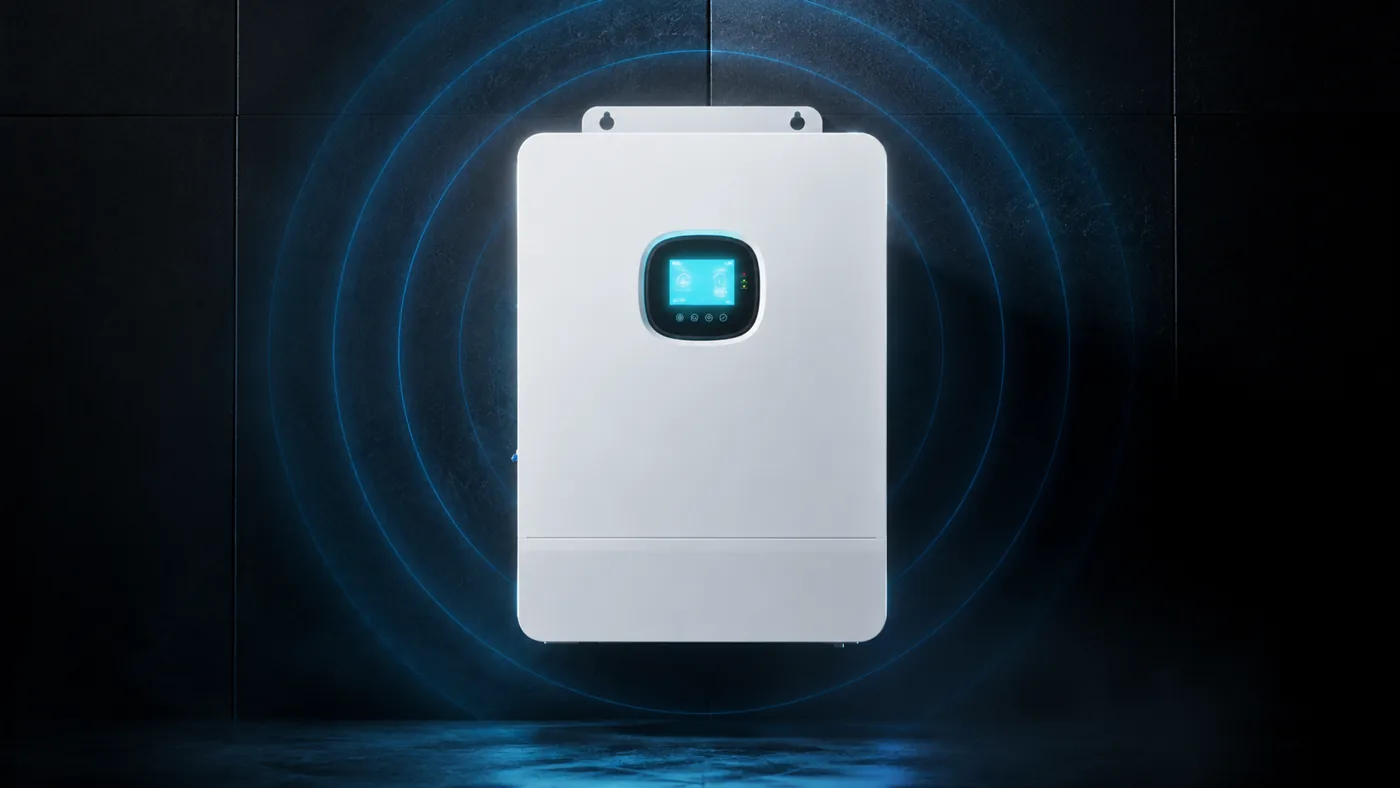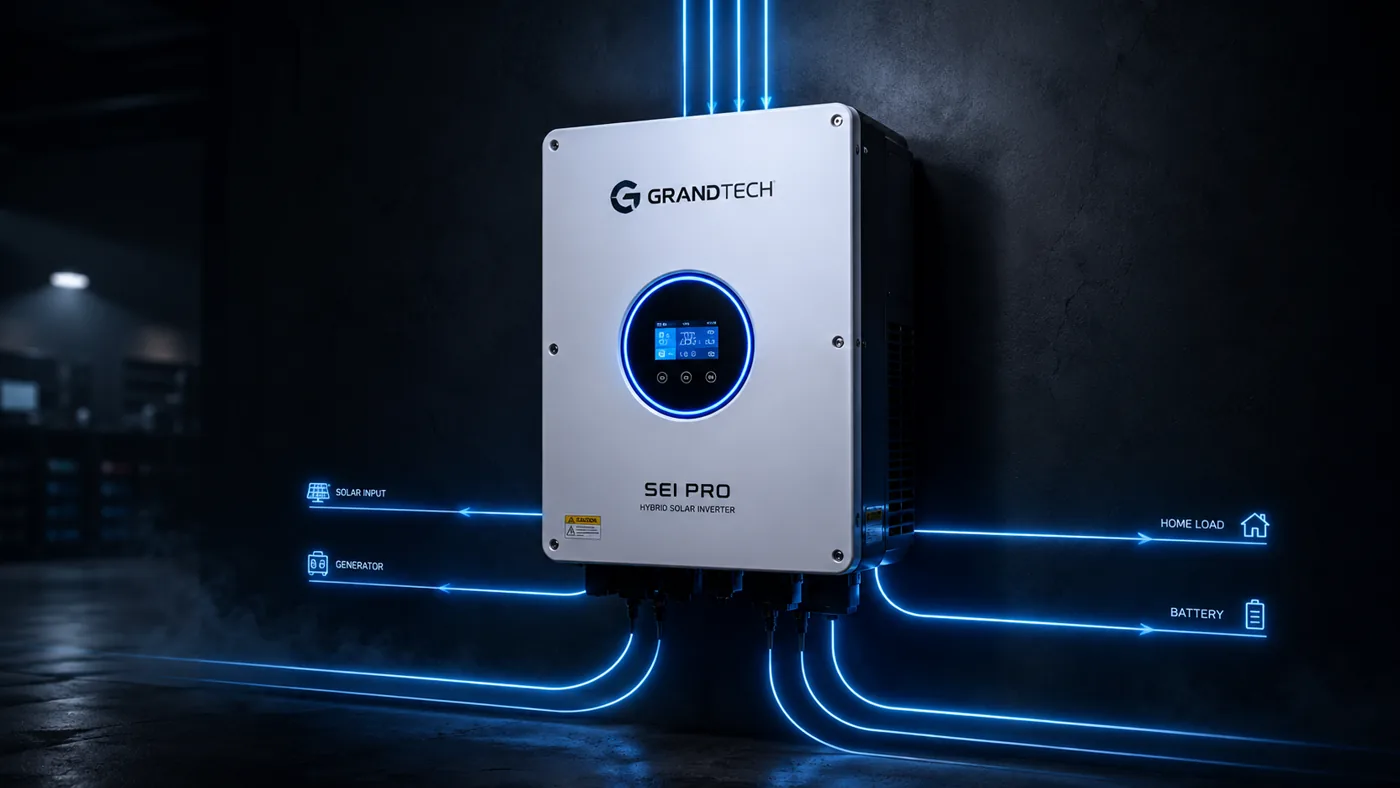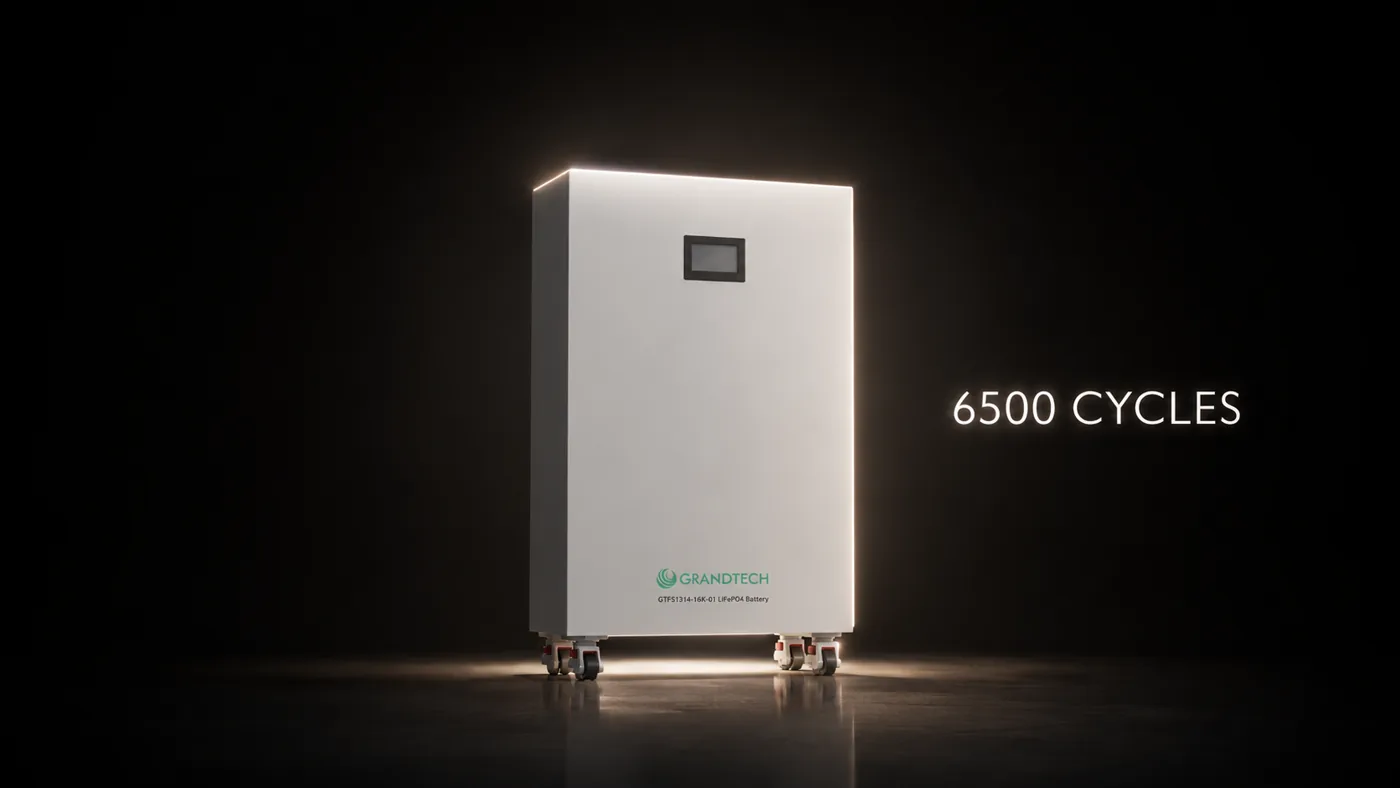
16.08 kWh
6500+
GTF51314-16K-01
Priced on request
Includes free system planningMounts on the wall, expands when you need more.
When the grid fails, a home battery backup from Eco Powerwall takes over and your household carries on as normal. Each lithium iron phosphate (LiFePO4) module holds between 16 and 28 kWh, and modules link in parallel when you want to cover the entire house or live off-grid. Every battery is rated to cycle 6,500–8,000+ times. Combine it with one of our split-phase hybrid inverters to protect your essential circuits or every room, bank solar and low-cost off-peak power for later, and bring your electricity bill down. A free system design comes first, and we deliver throughout the US and UK.
Mounts on the wall, expands when you need more.
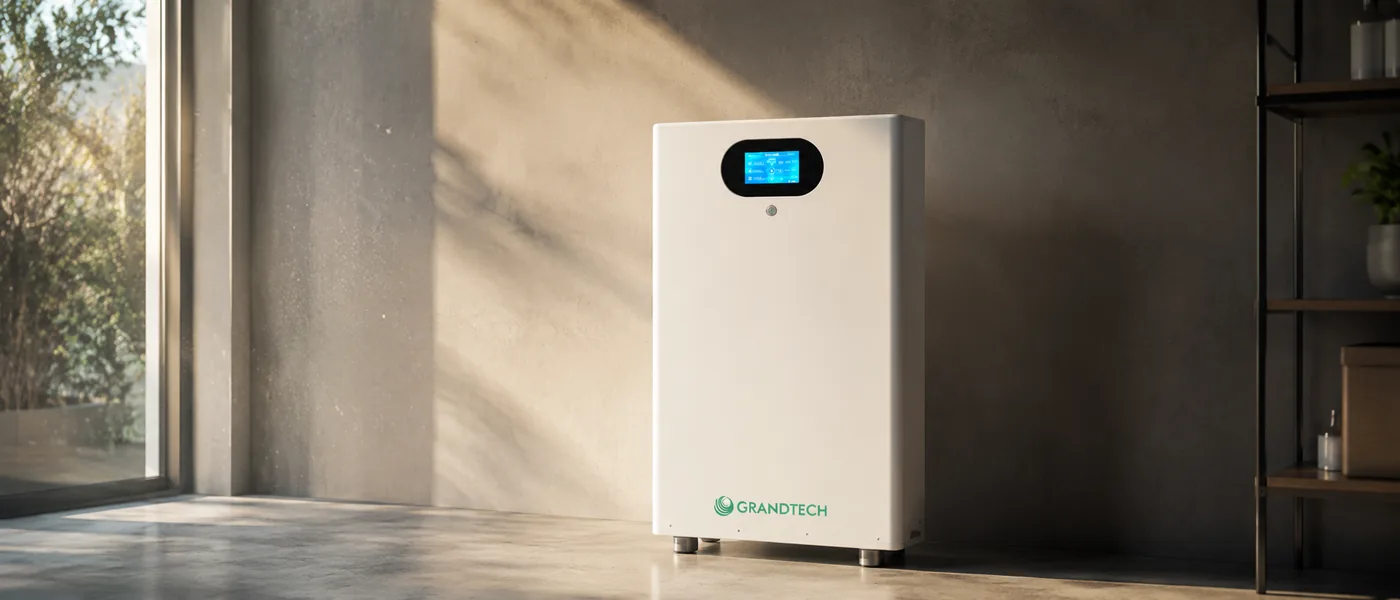
LFP storage that takes deep daily cycling in stride.
We design your system at no cost, and within one business day you'll have a quote with no obligation attached. Delivery covers the US & UK.
Compared with NMC lithium-ion, lithium iron phosphate operates at lower temperatures and holds out against thermal runaway, a comfortable fit for a garage or utility room. Reference standards for the cells: IEC 62619, UN 38.3 and CE.
Its cycle rating, 6,500–8,000+ at a depth of discharge of 80%, adds up to around 15–20 years of everyday use. Older lithium-ion is typically rated for only 1,000–2,000.
A single 16 kWh module covers your essential circuits. Need more? Link up to 16 of them for 257 kWh, or run as many as 20 of the 28 kWh batteries in parallel.
Share what you want to power, and one of our specialists sizes the battery and a hybrid inverter to match, at no charge. Your no-obligation quote arrives inside one business day. We serve the US & UK.
For most households, usable storage of 10–30 kWh does the job. Cover only the essentials, such as the fridge, lighting, internet and a well pump, and 16 kWh can last a day or longer. Add HVAC and other heavy loads and you'll be looking at 28 kWh or several stacked modules. Our sizing guide shows how to work it out.
You can count on a cycle rating of 6,500–8,000+ at a depth of discharge of 80%. With one cycle a day, that is about 15–20 years, while older lithium-ion chemistries usually top out at 1,000–2,000.
It is. Because modular LiFePO4 batteries connect in parallel, one module can be your starting point, with more added as demand grows, provided the inverter and busbar can handle the extra batteries.
Yes. Its stable cathode and strong resistance to thermal runaway make LiFePO4 the chemistry of choice for garage and utility-room installations, alongside a BMS and appropriate UL/IEC safety certifications.
Yes. A battery and inverter connect to your electrical panel, so most jurisdictions call for a permit and a licensed electrician. We provide the hardware, the datasheets and the system diagrams, and through our dealer program we can put you in touch with installers.