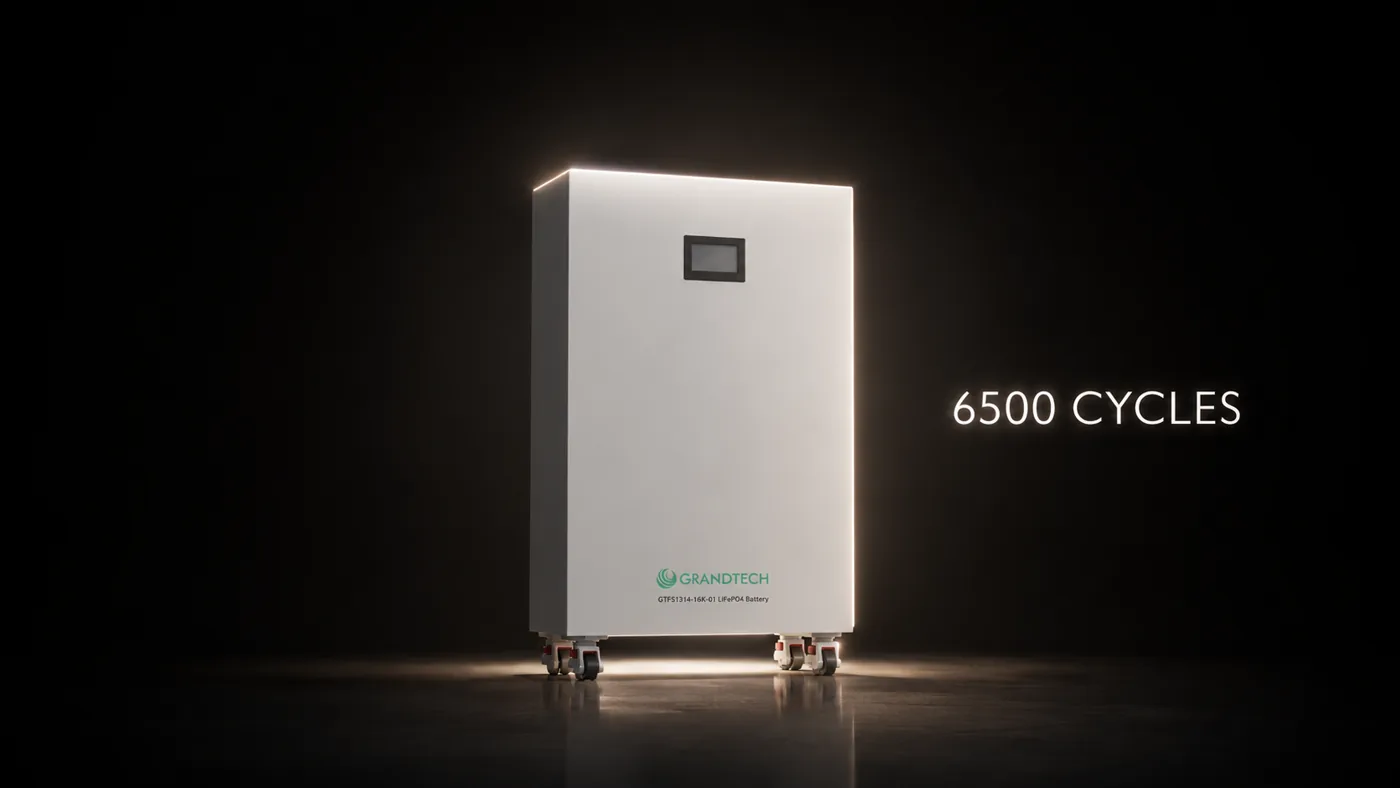
16.08 kWh
6500+
GTF51314-16K-01
Priced on request
Includes free system planningMounts on the wall, expands when you need more.
Capture your solar power and cheap off-peak electricity in a LiFePO4 home battery, then let a hybrid inverter with split-phase output carry your home through every outage and trim your energy bill. Built to keep cycling for decades.
Our prices are out in the open, our datasheets and certifications are published, and system design costs nothing, so you know which battery or inverter package fits before any money changes hands.
LiFePO4 cells naturally resist thermal runaway, and we publish the CE, FCC, UN 38.3, IEC 62619/62109 and UL 1741 references so the technical details can be reviewed.
Share what you need to run and a specialist picks the battery and inverter pairing that fits. No obligation, no hard sell.
We check each request against your load profile, the battery capacity you need and the inverter that suits it, then send your quote inside one business day.
Modular LiFePO4 batteries plus split-phase hybrid inverters, priced in the open. Pick up a single module on its own, or have us plan a stack for the whole house around your energy bill and backup goals at no charge.
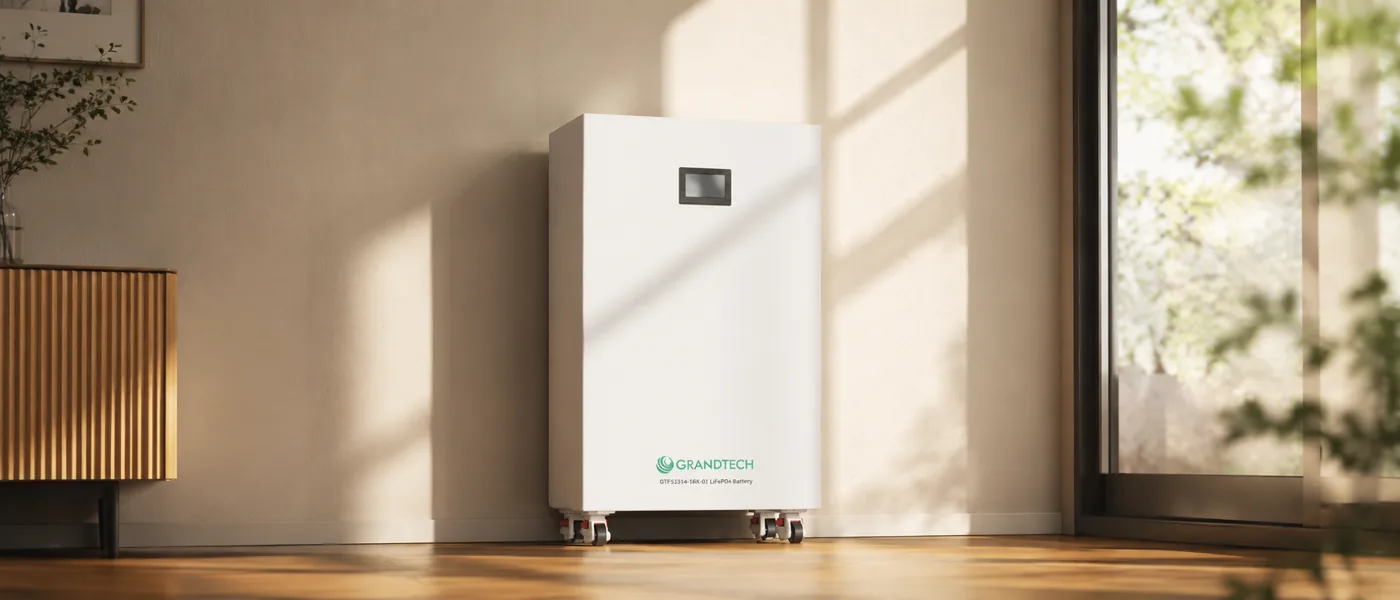
Mounts on the wall, expands when you need more.
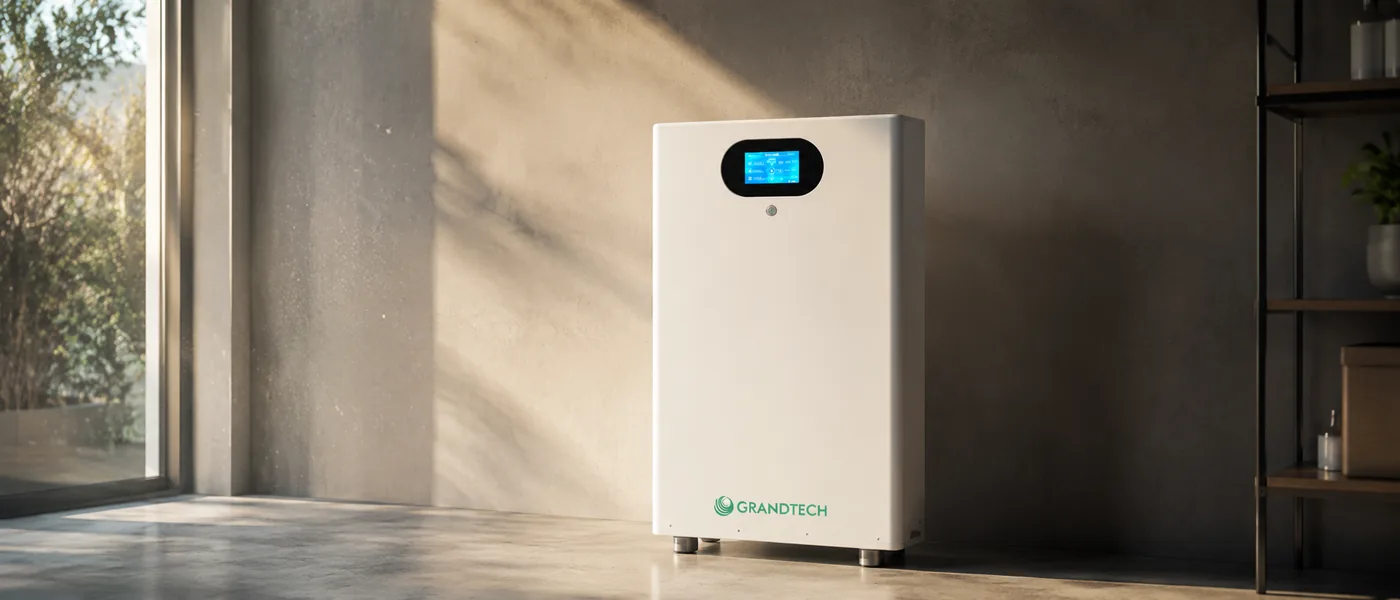
LFP storage that takes deep daily cycling in stride.
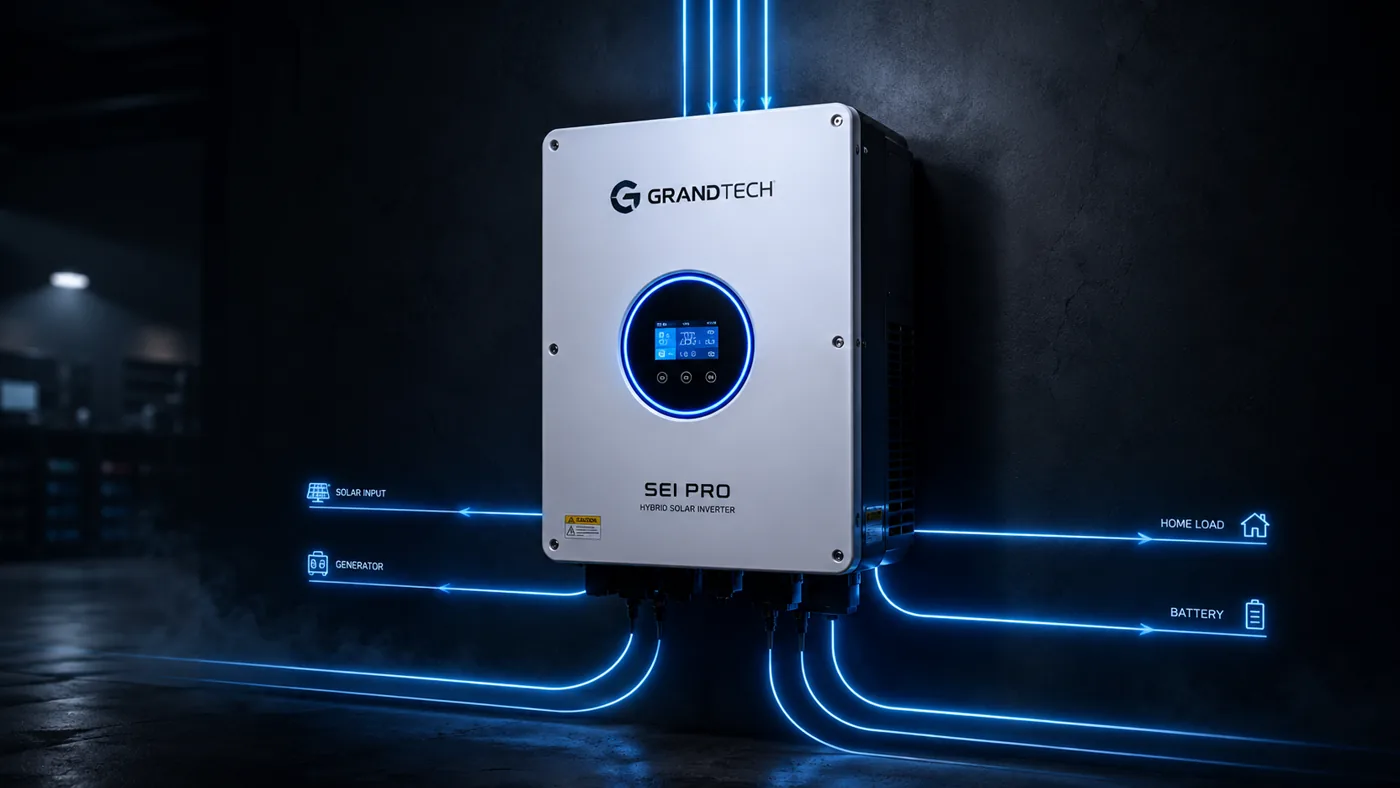
Up to 12 kW of split-phase hybrid power.
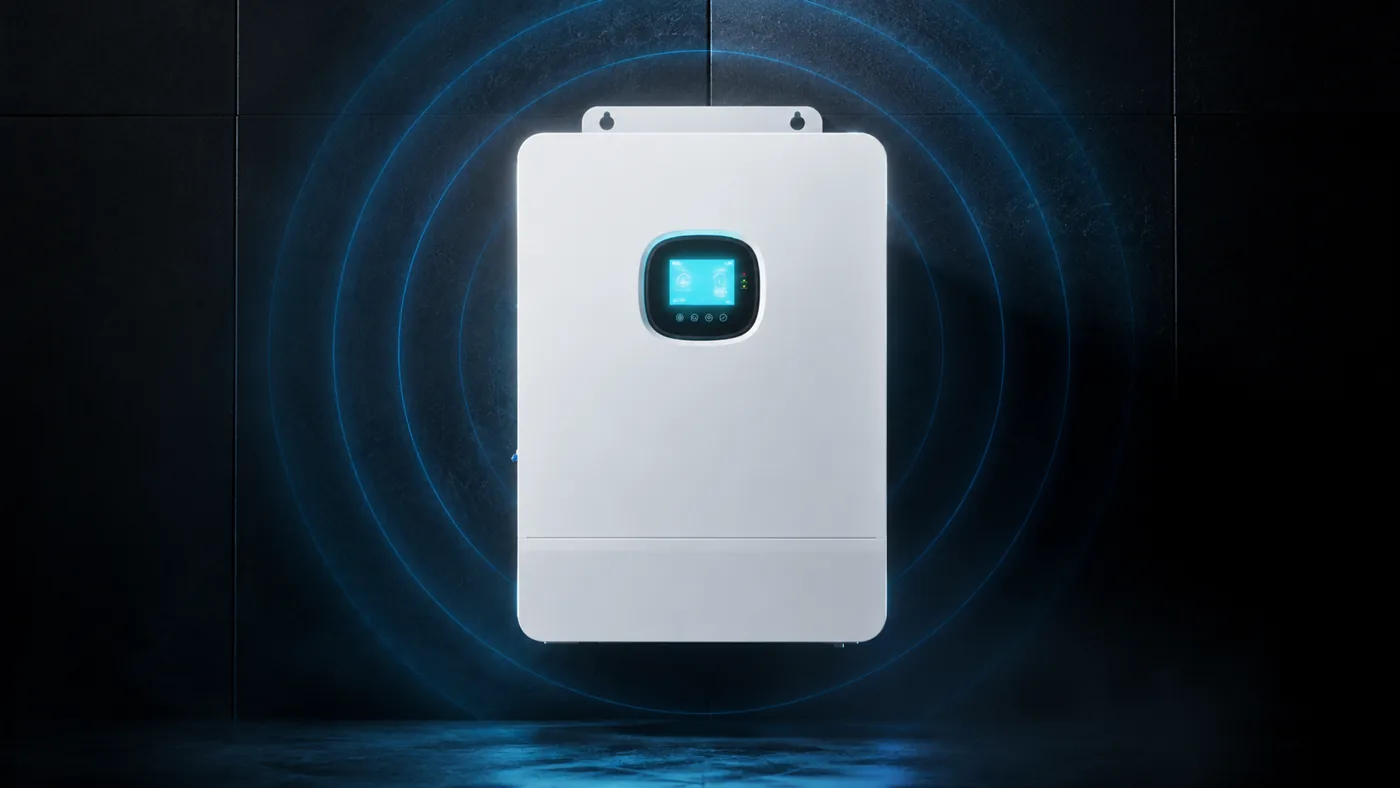
Up to 10 kW split-phase, in a compact indoor case.
The battery, the inverter and the BMS are built to act as a single team. Your panels feed the battery via the hybrid inverter, while the BMS keeps each cell in balance, and if the grid cuts out, your home carries on without skipping a beat. That is energy independence in practice.
How the tech works →Rated for 6500+ cycles at an 80% depth of discharge, lithium iron phosphate stays thermally stable, contains no cobalt and is not prone to runaway.
Every module carries its own independent battery management system, keeping all cells balanced and staying in contact with the inverter over CAN/RS485.
Begin with a single 16.08 kWh module and link up to 16 in parallel for 257.28 kWh, adding storage as your needs expand.
If the grid goes dark, the switch to battery takes milliseconds, and your lights, fridge and well pump keep running without a break for days.
Combine solar panels with a stacked bank of batteries and power an entire household all year round without any utility hookup.
Top up on low overnight rates or spare solar, then draw on the battery when prices peak. It's like running your meter in reverse.
Link modules in parallel up to 257 kWh in each stack, smoothing out demand charges while essential operations stay powered.
Bank your clean solar energy, use it when you choose, and leave grid dependence behind.
It runs silently in a sealed case and looks like an appliance, not a machine. Hang it on a wall or stand it on the floor, in the house or the garage.
For whole-home backup, most households land somewhere in the 10-30 kWh range of usable storage; the exact figure depends on which loads you treat as essential and how long an outage you want to cover. An average US home uses 20-30 kWh a day. If you only keep the essentials going (lights, internet, fridge, well pump), 16 kWh can last a day or longer, whereas HVAC and other heavy loads call for something closer to 28 kWh, or a stacked setup. Our sizing guide shows the calculation step by step.
LiFePO4 (lithium iron phosphate) cells carry a cycle rating of 6,500-8,000+ at an 80% depth of discharge. Cycled once a day, that works out to about 15-20 years of use, a big step up from older lithium-ion chemistries, which typically manage between 1,000 and 2,000 cycles. Their capacity also fades more slowly with age, and they cope with a broader spread of temperatures.
A grid-tie inverter has one job: turning solar DC into AC for your loads or the grid, and it switches off whenever the power goes out. Hybrid inverters also handle battery charging and discharging and offer a backup mode, which means they can power your home through a grid failure, save solar energy for later and operate off-grid. The split-phase hybrids we sell switch over to battery in less than 10 ms.
They can. With a hybrid inverter, sufficient solar and enough LiFePO4 storage, a home can run with no grid connection at all. How big the system should be comes down to your daily energy consumption, how much sun you get, and the number of autonomy days you'd like as a buffer for overcast spells. The majority of off-grid homes pair an inverter in the 10-12 kW class with stacked battery capacity of 28 kWh or more.
Among mainstream lithium chemistries for home storage, LiFePO4 is the safest. It strongly resists thermal runaway, the cells don't give off oxygen if damaged, and they operate at lower temperatures than NMC lithium-ion. On top of that, our systems include a BMS (battery management system) protecting against short circuits, over-discharge, over-charge and extreme temperatures, and they hold safety certifications from UL and IEC.
Yes. Battery-and-inverter setups connect to the main electrical panel in your home, and most jurisdictions require a permit and a licensed electrician for that work. Along with the equipment, we provide system diagrams and datasheets, and we can put you in touch with installers or offer trade pricing via our dealer program.
Share where you live and what you want to power. One of our specialists will work out the right size of battery and inverter for your home and send back a quote with no obligation inside one business day. We serve homes throughout the US & UK.