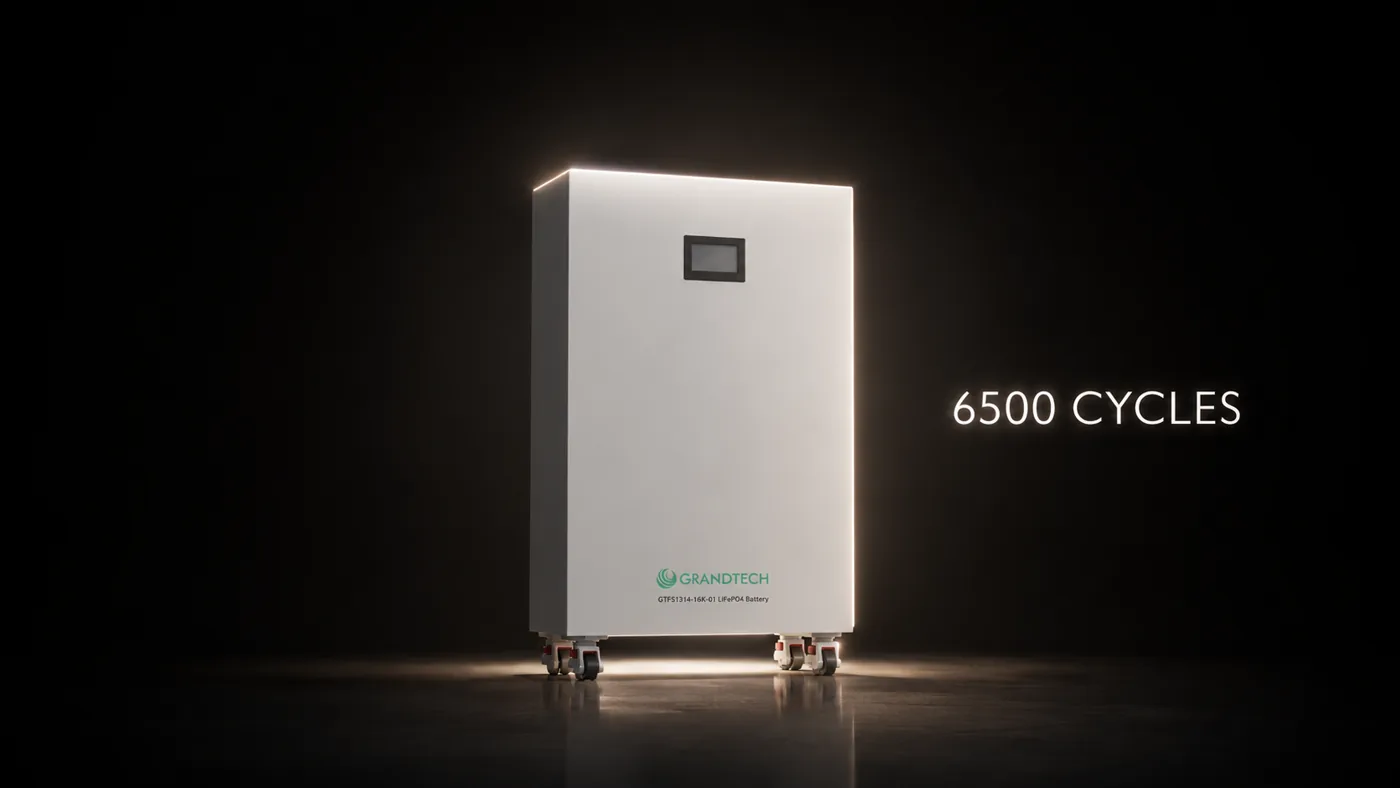
16.08 kWh
6500+
GTF51314-16K-01
Priced on request
Includes free system planningMounts on the wall, expands when you need more.
Living beyond the power lines? Eco Powerwall plans off-grid solar systems built from LiFePO4 battery storage and a hybrid inverter with split-phase output, enough to keep a cabin, workshop or year-round home running with no grid at all. We work out the batteries, inverter and solar panels as one design, usually at least 28 kWh of storage, an inverter rated 10–12 kW and a generator input to cover long overcast spells, so the setup fits the way you really live. System design is free, your quote arrives within one business day, and we ship throughout the US and UK.
Mounts on the wall, expands when you need more.

LFP storage that takes deep daily cycling in stride.
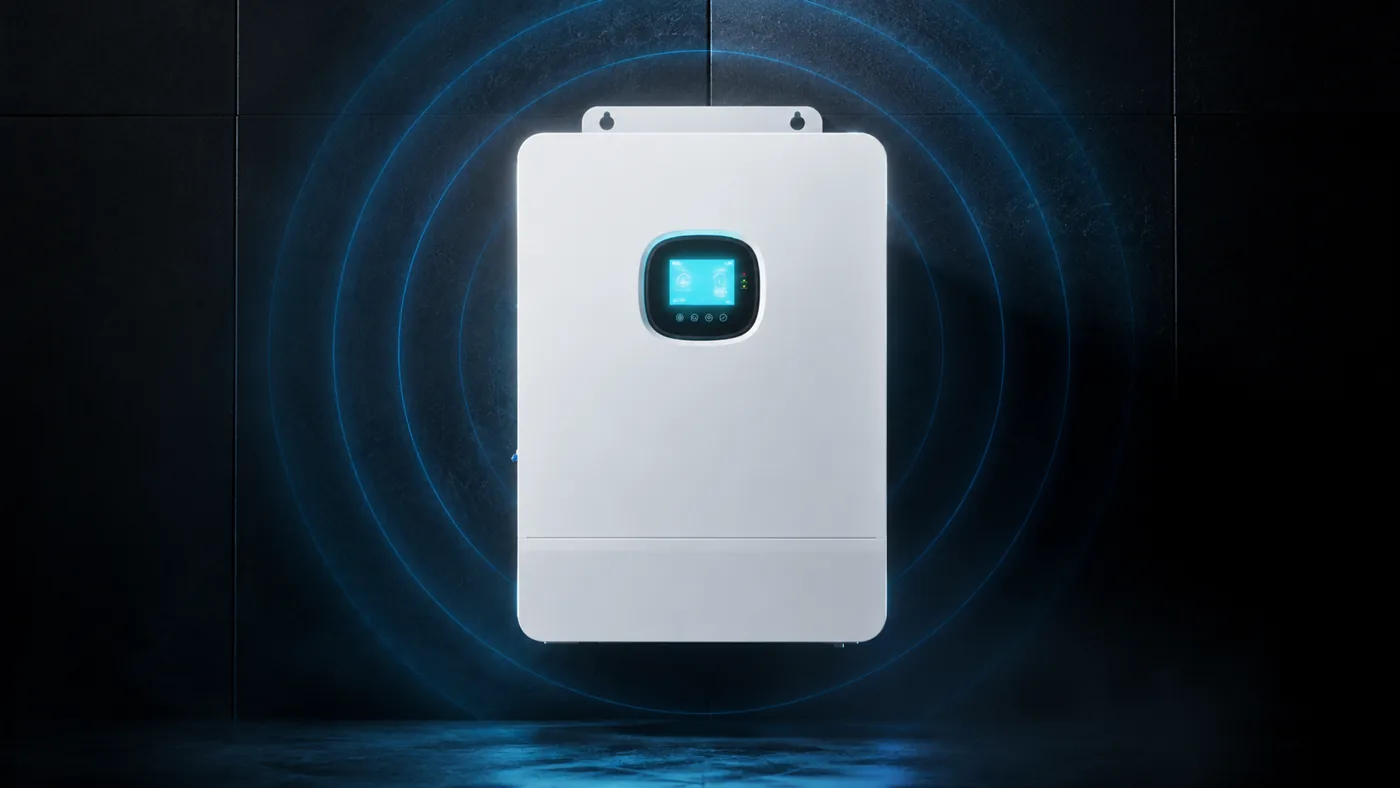
Up to 10 kW split-phase, in a compact indoor case.
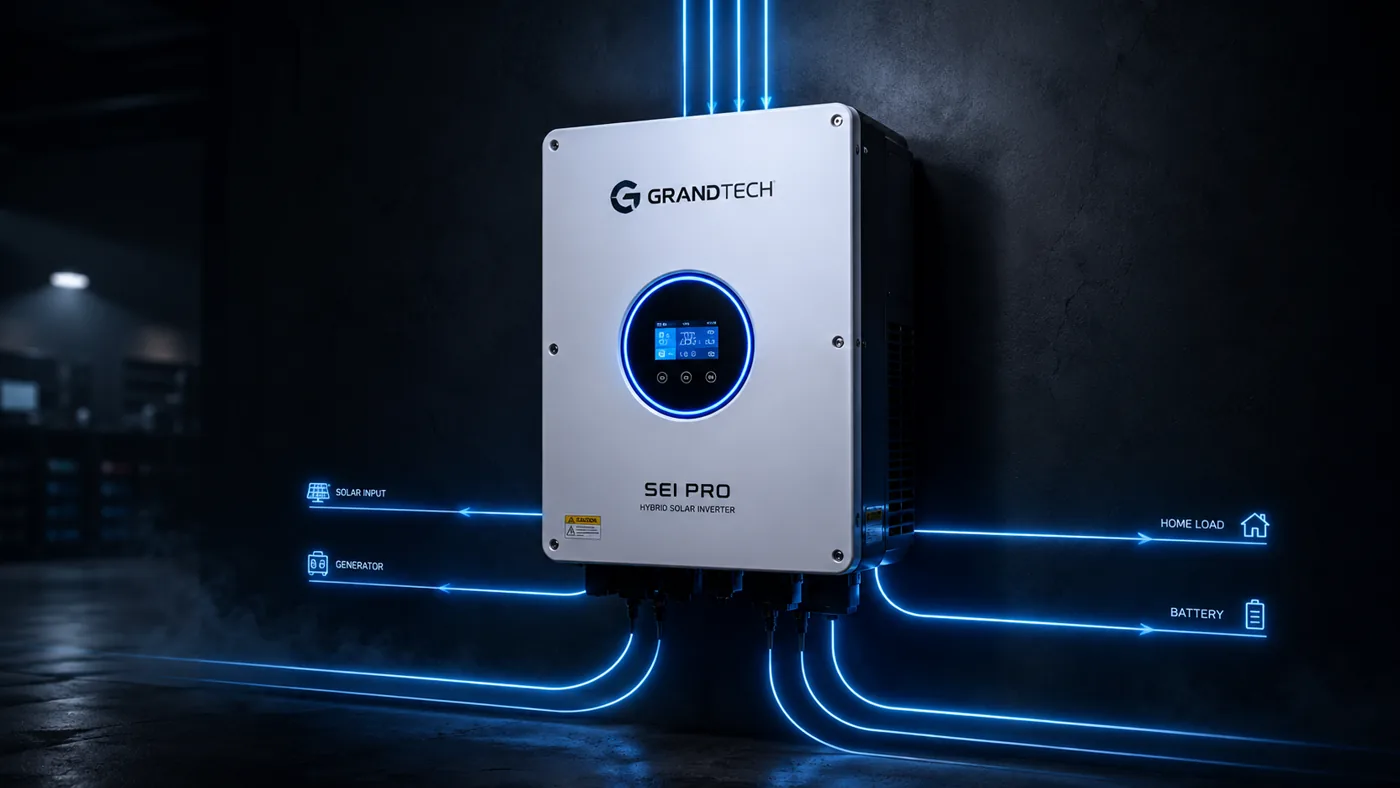
Up to 12 kW of split-phase hybrid power.
Each off-grid order brings together LiFePO4 battery storage and a hybrid inverter with split-phase output, both sized during your free system design.
The system design is free, and your no-obligation quote follows within one business day. We deliver across the US & UK.
Rather than defaulting to the largest battery, we plan storage, inverter and solar panels as a set, so the result reflects how your home or cabin really uses power.
Our LiFePO4 storage begins at 28 kWh and expands in parallel to 20 units, so most year-round homes can count on 2–3 days of off-grid autonomy through cloudy spells.
The hybrid inverter includes a generator input, so you can top up the batteries during extended storms, snowfall or maintenance days with no rewiring of the house.
Split-phase hybrid inverters rated at 10–12 kW can start motors, pumps or HVAC and supply the usual 120/240 V that household appliances run on.
A small cabin can get by on 10–20 kWh. Homes occupied full-time off the grid tend to need 28–60 kWh, based on loads, weather and the number of autonomy days you're aiming for. Multiply your daily kWh use by 2–3 days so you stay covered all year.
Size it for the biggest load running at once rather than daily energy use. Plenty of homes do well with 10–12 kW of split-phase hybrid inverter capacity; big HVAC, pumps or workshop machines may call for paralleled inverters or load management.
In most cases, yes. It's an inexpensive safety net for extended overcast periods, panels covered in snow, equipment servicing or loads that run unusually high. Wire it through the hybrid inverter so battery charging stays controlled.
They will. With a hybrid inverter backed by sufficient LiFePO4 storage and solar panels, a home can operate with no grid connection at all. The typical off-grid household pairs at least 28 kWh of stacked battery capacity with an inverter rated 10–12 kW.