How to size an off-grid solar setup
Begin by working out how many kWh the household uses each day, then pad that figure by 20-30% for system losses. Aim for 2-3 days of autonomy from the batteries and choose an inverter that can carry the largest set of loads running at the same moment. For a home lived in all year, that typically adds up to an inverter in the 10-12 kW range, roughly 28-60 kWh of storage, a solar array big enough to refill one day's usage, and a generator for extended cloudy spells.
Your appliances come before your panels
Many off-grid projects go wrong at step one: the panels get picked before anyone knows how much energy the home actually uses. Build a load list first.
- List each appliance you plan to run.
- Note its approximate wattage.
- Multiply by its daily hours of use.
- Add it all up and convert to kWh per day.
Results vary widely. A cabin may need just 3-8 kWh a day, whereas a home occupied full-time and running fridges, pumps, laundry, shop tools or HVAC often lands nearer 20-40 kWh.
Plan for losses and the darkest month
No system delivers every kilowatt-hour it produces. Energy slips away through:
- inverter conversion
- wiring resistance
- charge control
- temperature
- battery overhead
Allow an extra 20-30% on top of your daily figure before choosing any equipment. If the house is lived in all year, design for the toughest month, not the yearly average: higher winter demand plus fewer hours of sun is what usually reveals a system that was built too small.
Cover the sunless days
Days of autonomy refers to the stretch of time your battery bank should be able to carry the house with little or no help from the panels. A weekend cabin can often manage with one day. A household living off-grid full-time typically needs 2-3 days, and very overcast regions may call for more.
For a rough battery size, multiply your daily kWh by the days of autonomy, then correct the figure for depth of discharge plus a reserve margin.
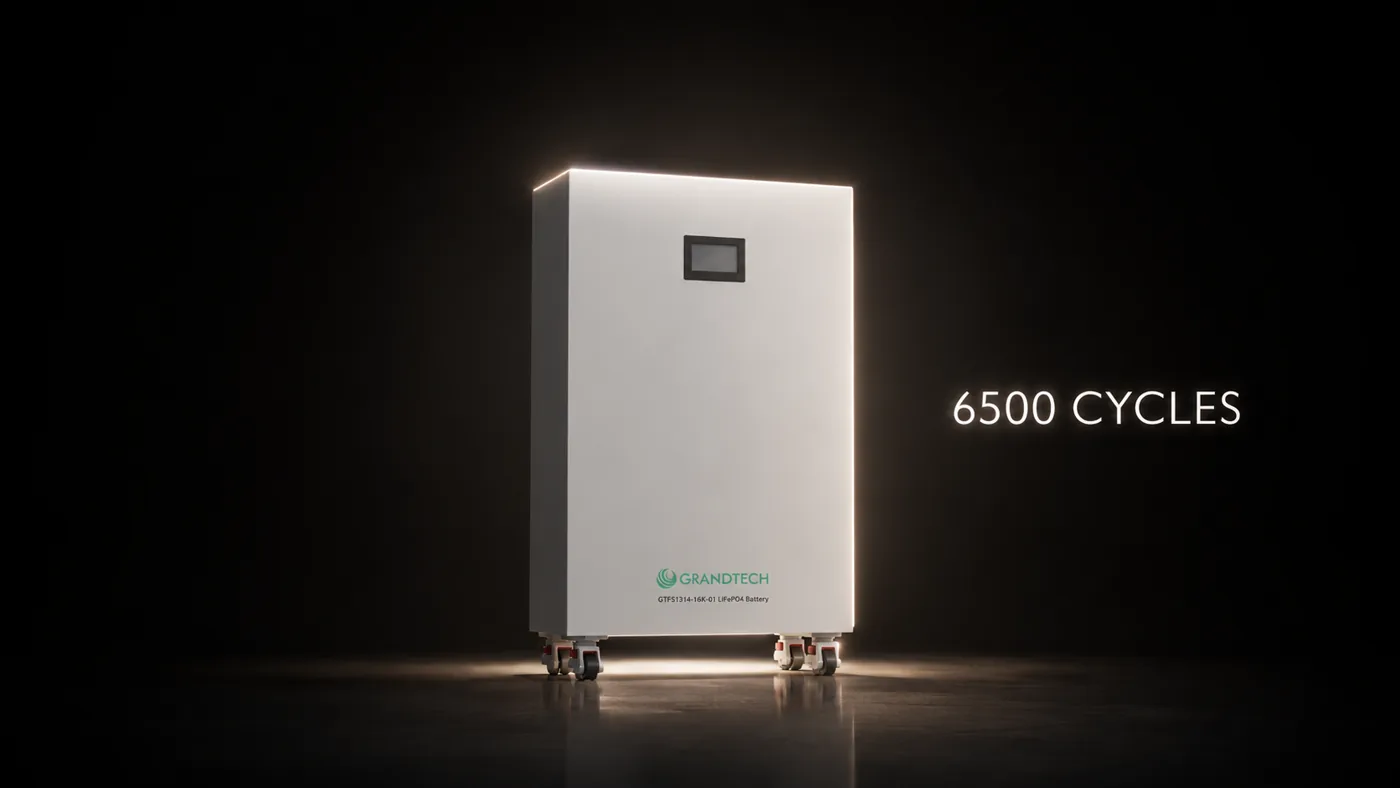
LiFePO4 batteries suit this well: they handle deep cycling comfortably and last for many years.
Energy vs. power: the inverter
Picture the battery as the fuel tank and the inverter as the engine. Capacity sets how many hours the house can run; inverter power sets how many things can run simultaneously. Total the biggest loads likely to be on together, then allow for the start-up surge of pumps, compressors and HVAC equipment.
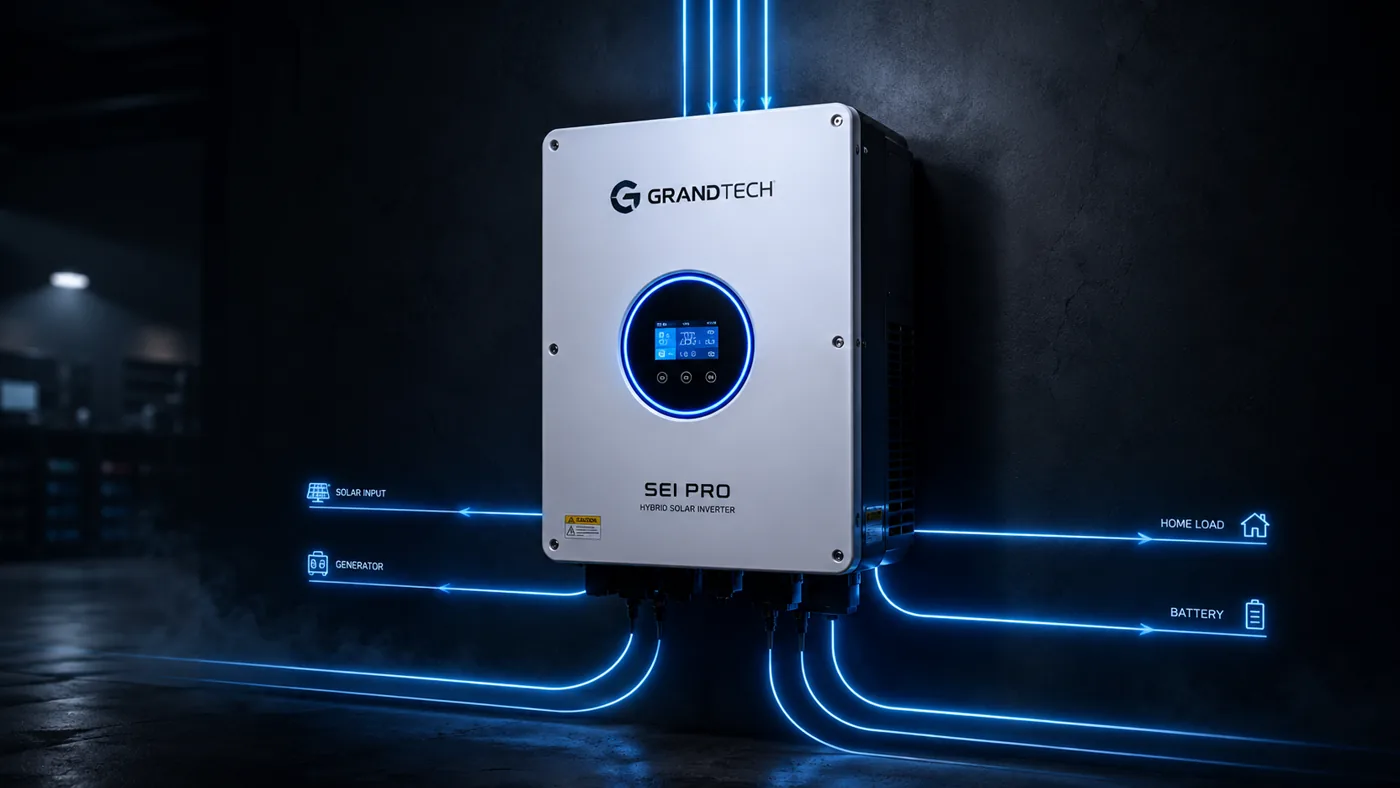
Most off-grid homes are well served by a hybrid unit rated 10-12 kW with split-phase output, especially where standard US appliances need 120/240V.
Keep a second way to recharge
Even a well-designed off-grid system will hit stretches when the panels can't keep up: long storms, smoke haze, snow on the array, or maintenance days. A hybrid inverter with a generator input lets you top up the batteries at those times, with no rewiring of the house.
Bigger isn't automatically better. The goal is balance, with load management, generator, inverter, solar array and battery bank all sized around how the household really lives.
Questions people ask
How much battery storage does an off-grid home need?
That depends on your loads, your climate and the number of backup days you'd like the batteries to cover. Small cabins often manage on 10-20 kWh; homes lived in full-time off the grid frequently need 28-60 kWh. Take your daily kWh figure and multiply it by 2-3 days if the system has to stay dependable all year.
How big should an off-grid inverter be?
Base it on the highest load you'll draw at any one moment, not on total daily energy. A split-phase hybrid model rated 10-12 kW suits plenty of homes, but big HVAC units, pumps or workshop equipment may need inverters in parallel or some load management.
Is a generator still worth having off the grid?
In most cases, yes. For relatively little money it covers you during long overcast periods, snow on the panels, maintenance downtime or unusual spikes in demand. Wire it through the hybrid inverter so that battery charging stays controlled.