Picking the best home battery for outages
Raw capacity alone doesn't make a battery the right choice for outages. What counts is sufficient usable kWh for the circuits you rely on, a hybrid inverter strong enough to start motors and HVAC systems, LiFePO4 cells for safety and long cycle life, a quick transfer time and room to add storage later. Backing up only the essentials can work with roughly 16 kWh, while covering the whole home often takes 28 kWh or more.
Essentials or the whole house?
Settle one question before you look at a single spec sheet: should the battery keep only the essentials running, or the entire house?
- Essentials typically means the fridge, lighting, internet, outlets, medical equipment and pumps.
- Whole-home coverage piles on the heavy hitters: HVAC, the oven, laundry and similar large loads.
Your answer shapes every other choice. A modest battery can carry the essentials through a long outage, whereas keeping the whole house comfortable calls for more storage and a more powerful inverter.
Beyond the headline kWh
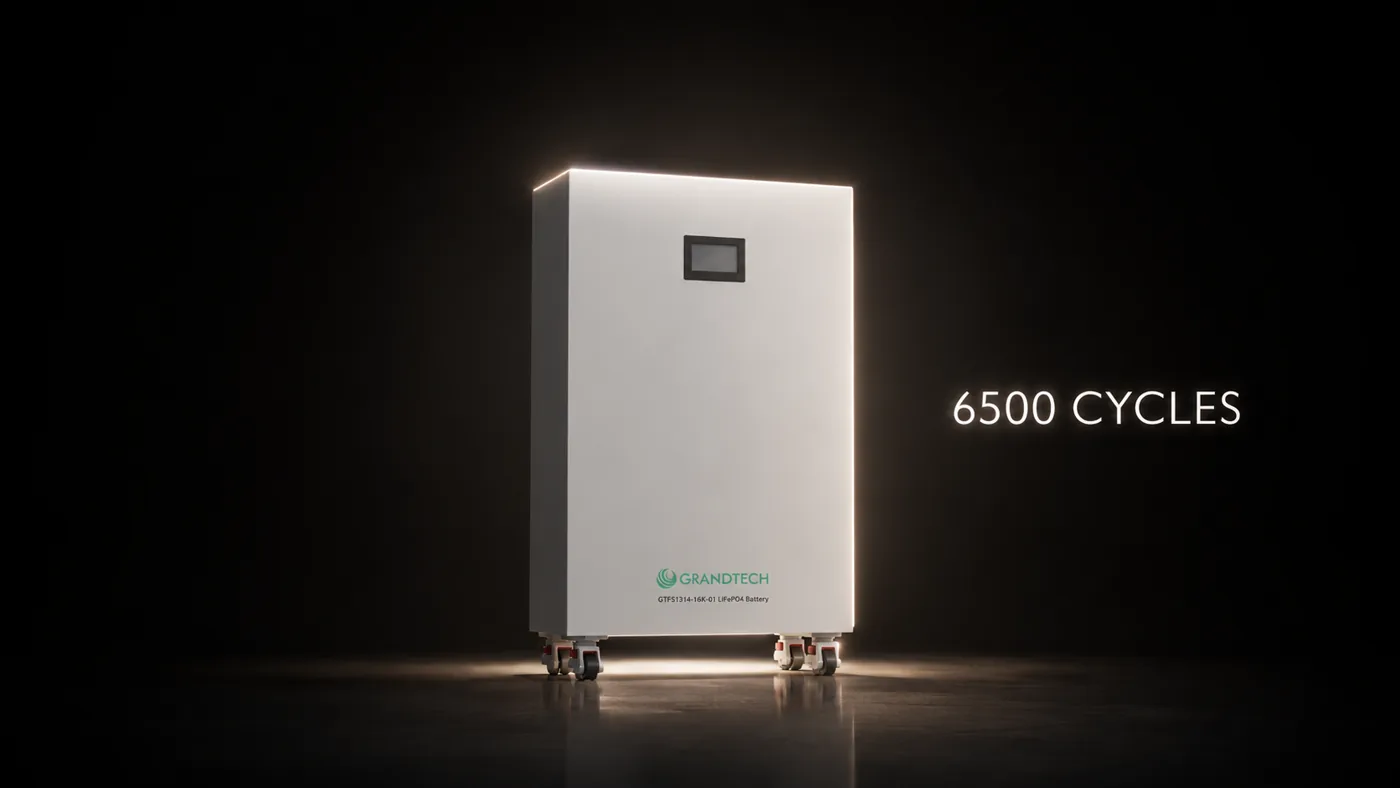
Storage is rated in kWh. For essential circuits, a 16 kWh battery with LiFePO4 cells gives you a solid base to build on. If you want the whole house running through an outage, live off the grid, or simply want more hours of autonomy, a stacked setup or a single 28 kWh battery is the better match.
The headline figure only tells part of the story. When you line up different models, check three things:
- how much capacity is really usable
- depth of discharge
- whether the system can be expanded in parallel
The inverter does the heavy lifting
Energy sits in the battery, but the inverter is what turns it into power the house can use. If you have a well pump, fridges or HVAC compressors, you need an inverter that copes with the surge they draw at startup and supplies split-phase output at 120/240V.
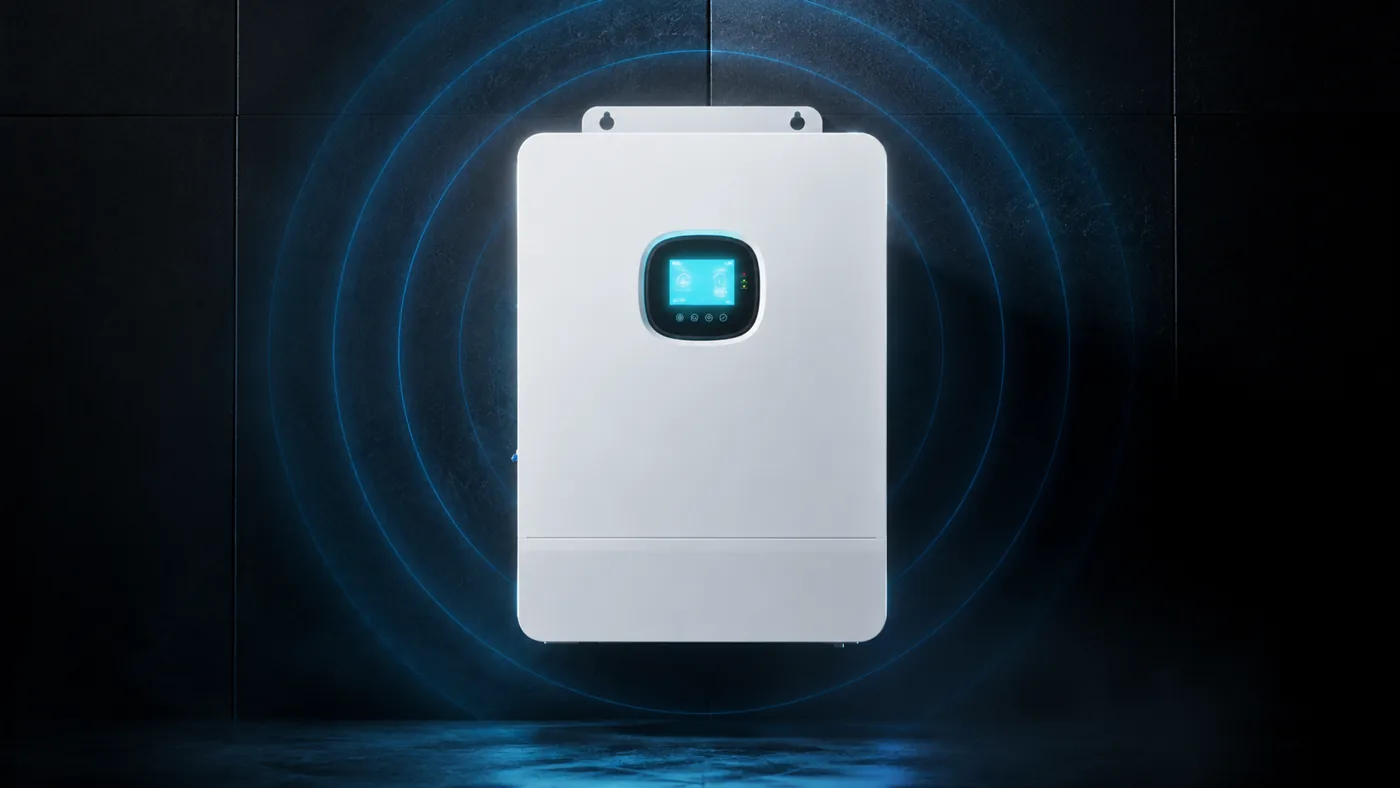
Many residential backup systems are well served by a hybrid inverter in the 10-12 kW class. Depending on the installation, it can recharge the battery from solar, the grid or a generator.
Why the cell chemistry matters
For home backup, LiFePO4 is the chemistry of choice: it is chemically stable, has a long service life and is made to be cycled deeply. It does weigh more than some other lithium types, but for a battery that never moves, safety and cycle life are worth far more than squeezing the most energy into the smallest space.
Think like your installer
A dependable outage setup involves more than the battery itself. Your installer will also be looking for:
- clear datasheets
- BMS communication
- inverter protocols that work together
- wiring that meets code
- permits and disconnects
- a transfer or backup configuration
Go for equipment that a solar installer or electrician can properly document and maintain, not a battery whose main selling point is a big figure on the side.
Questions people ask
How much battery capacity is enough for an outage?
If you only need the essentials, around 16 kWh is a sensible starting point for many households. For the whole home, HVAC or extended outages, plan on 28 kWh or more.
Should I choose a battery or a generator?
Each has its strengths. A battery is silent, takes over instantly and works hand in hand with solar; a generator earns its keep in very long outages and stormy spells. Many resilient setups combine both, using the battery for immediate backup and the generator to recharge it in an emergency.
Can the system grow with more batteries?
It can, as long as it was designed for parallel expansion. Before you add modules, make sure the batteries are compatible and check the inverter's limits, the busbar size and the installation requirements.